Lemon Pattern: A Whimsical Embroidery Choice
As an embroidery designer and product reviewer, I’ve seen my fair share of patterns. But when I came across the Lemon Pattern, it immediately caught my eye with its playful, hand-drawn charm. This is not just another generic design—it’s a piece that feels like it was sketched on a sunny afternoon in Italy, capturing the essence of summer in a way that feels both nostalgic and modern.
The First Impression: Playful and Refreshing
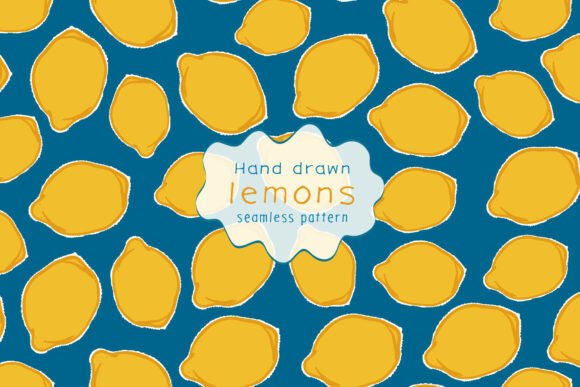
The Lemon Pattern has a light, airy feel that makes it perfect for projects aiming to evoke warmth and joy. The hand-drawn style gives it a personal touch, making it ideal for handmade products that need a touch of authenticity. The layout is seamless, which means it can be used across multiple surfaces without worrying about awkward repeats or gaps.
The color palette—blues and yellows—feels fresh and inviting, especially for summer-themed items. It’s not overly detailed, but the level of intricacy is just right for embroidery. The citrus motifs are stylized, giving it a floral, almost whimsical vibe that works well for weddings, packaging, and even fabric designs.
Real-World Use: Where Does Lemon Pattern Shine?
I tested the Lemon Pattern on a custom embroidered tote bag, and it looked great. The design wasn’t too dense, so it didn’t overwhelm the fabric. It worked well with a mix of satin and fill stitches, giving the bag a polished yet artisanal look. For a small business owner or Etsy seller, this could be a strong selling point—something that feels unique but isn’t too complicated to produce.
This pattern also fits well with baby items. I tried it on a onesie, and the soft, flowing lines gave it a gentle, comforting feel. It’s the kind of design that parents might appreciate for its simplicity and charm. It could also work as an embroidered patch for a jacket or a cap, adding a subtle pop of personality without being too flashy.
For a craft fair or boutique product, the Lemon Pattern offers versatility. It could be used as a kitchen towel design, a pillow cover, or even a holiday gift. Its clean lines make it easy to adapt to different sizes and formats, whether you’re working on a digital embroidery file or a printable mockup.
Where to Be Cautious: Practical Considerations
While the Lemon Pattern is visually appealing, there are some practical limitations. If you’re working with a small hoop size, the design may require some adjustment to fit properly. The detail level is good, but if you’re using it on textured fabrics or thin materials, you might notice some distortion in the stitching.
On dark fabrics, the blue and yellow colors may not show up as vividly as they do on lighter backgrounds. That’s something to keep in mind if you're planning to use this for custom apparel or commercial embroidery. Also, because it’s a seamless pattern, you’ll want to ensure that the repeat is consistent and doesn’t create visual clutter in certain applications.
For stretchy or layered garments, the design might not hold up as well. It’s best suited for flat, stable surfaces where the stitching can lay smoothly. If you’re using it for a decorative accent, you may want to consider how it interacts with other elements of the design.
Impact on Visual Appeal and Customer Perception
The Lemon Pattern adds a sense of personality to any project. It’s not just a background—it tells a story. For a handmade product, this kind of detail can significantly boost perceived value. Customers often look for uniqueness, and this pattern offers that without being overwhelming.
When it comes to customer trust, a well-designed embroidery project can make all the difference. The Lemon Pattern is clean enough to be professional, yet expressive enough to feel handmade. This balance is key for small shop products or Etsy listings, where presentation matters a lot.
It also enhances giftability. Whether it’s a personalized gift or a holiday item, the design feels thoughtful and intentional. It’s the kind of pattern that can be used across multiple seasons, making it a valuable addition to your design assets.
Designer Notes: Testing and Preparation
Before finalizing any project with the Lemon Pattern, I recommend testing it on scrap fabric first. This helps you see how the stitch density and thread colors interact with your chosen material. You’ll also want to check how it looks in black and white mockups to ensure it holds up without color.
Stabilizer choice is important, especially for delicate or stretchy fabrics. A proper stabilizer can prevent puckering and ensure the design stays in place. If you’re using this for commercial embroidery, double-check the licensing terms to make sure you’re allowed to sell finished items or digital products.
For a craft business or small shop, the Lemon Pattern offers flexibility. It can be used in a variety of ways, from custom apparel to printable mockups. Just remember to tailor it to your specific needs and test it thoroughly before production.
Final Thoughts: A Versatile and Lovable Design
The Lemon Pattern is a standout design that brings a sense of fun and elegance to any embroidery project. It’s not just a pretty image—it’s a functional, adaptable asset that can elevate your handmade products and commercial designs alike. Whether you’re an Etsy seller, a small shop owner, or a creative entrepreneur, this pattern has the potential to become a go-to choice for your next project.